
A plasterer spraying texture across a long wall in low sunlight

Drywall Texture Matching in Sacramento, CA

You already know it is there. Everybody else walks through the room and sees nothing, and your eye goes straight to it every time.

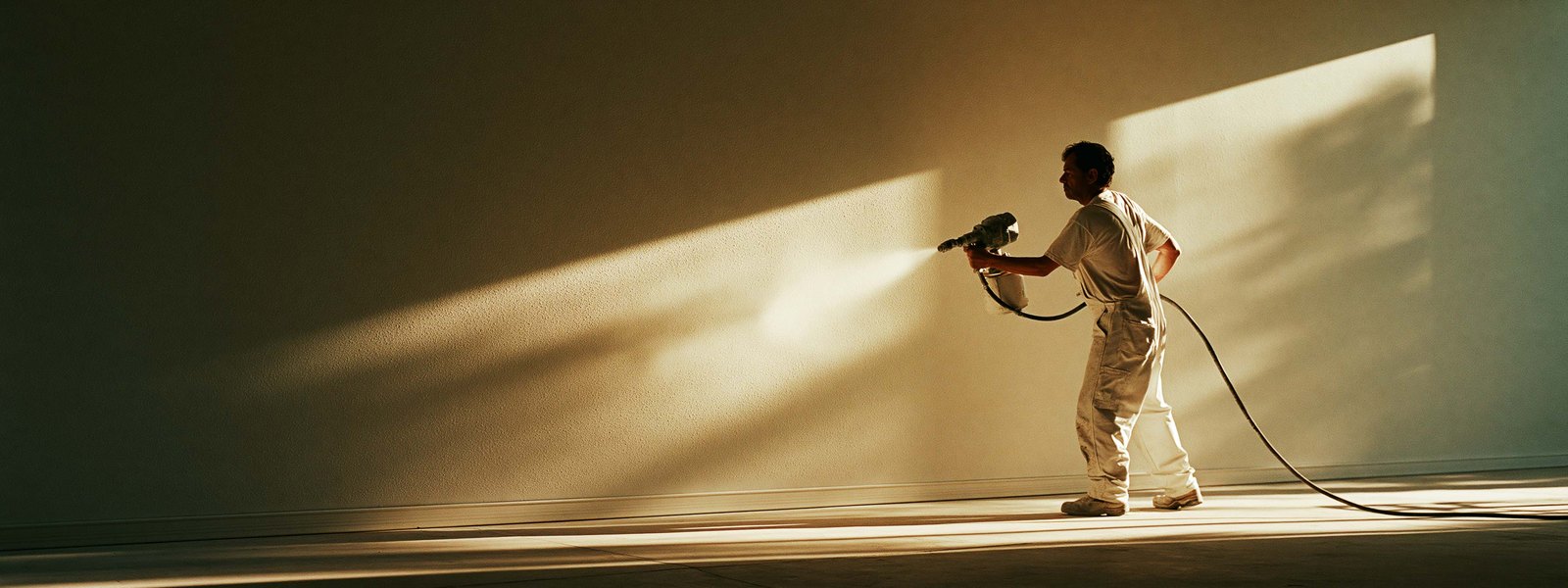
A plasterer working a spray gun along a wide wall, light raking across the finished surface

When a Repair Shows, It Is Usually Only the Finish

There's good news buried in most texture calls, and it's worth saying first. If a repair shows in raking afternoon light but disappears under a lamp at night, the work underneath is sound and only the surface is off. Sacramento Expert Drywall checks yours in both lights before saying anything, and that one distinction is usually the difference between a small job and a large one.

The two get sold as one thing, so knowing which you have is worth a great deal. A surface that only needs reworking is a far shorter day than a wall that has to come open again, and most of the ones we see are the shorter kind.

We do drywall texture matching in Sacramento as its own piece of work, on repairs we did and on repairs somebody else left you with. It's the part of this trade that decides whether a room reads as finished or as fixed.
It Is Not the Color. It Is the Shadow.

Texture isn't a pattern painted onto your wall. It's a surface with relief, and relief throws a shadow. That's the whole thing, and once you see it you can't unsee it.

Light finds it, which is why it appears a week later

Where your light comes from decides most of this. A wall between two windows hides almost anything, because the light arrives from both sides and fills in the shadow. A wall with a single window at one end shows everything, because the light rakes across the surface instead of landing on it. A fixture throwing light straight down a wall will find a flat area the size of a dinner plate every evening. A hallway with one fixture at the far end is the hardest room in any house to get right.

That's why a repair can look finished on the day it's done and turn up again the following week, when the sun has moved around. Nothing changed in the wall. The light changed.

So it gets worked while the surface is still bare

We look at it with the light coming across it before any primer goes on. After primer you're into paint, and repainting a whole wall to hide a finish nobody got right is a long conversation.

What We Look At Before We Spray a Sample

Where the light in your room comes from, and what time of day it's worst
What finish is on the rest of the wall, and how coarse it runs
How many times that wall has been painted since the finish went on
Whether the room has more than one finish in it already
What sheen the paint is, because gloss shows what flat conceals
Whether your repair sits at eye level, or up where nobody looks twice

The Wall You Have Now Is Not the Wall That Got Sprayed

Your finish has been painted three or four times since it went on, and every coat softens it a little. What we're matching is your wall today, not what the original sprayer put up when the house was built. Those are two different targets and only one of them is in front of us.

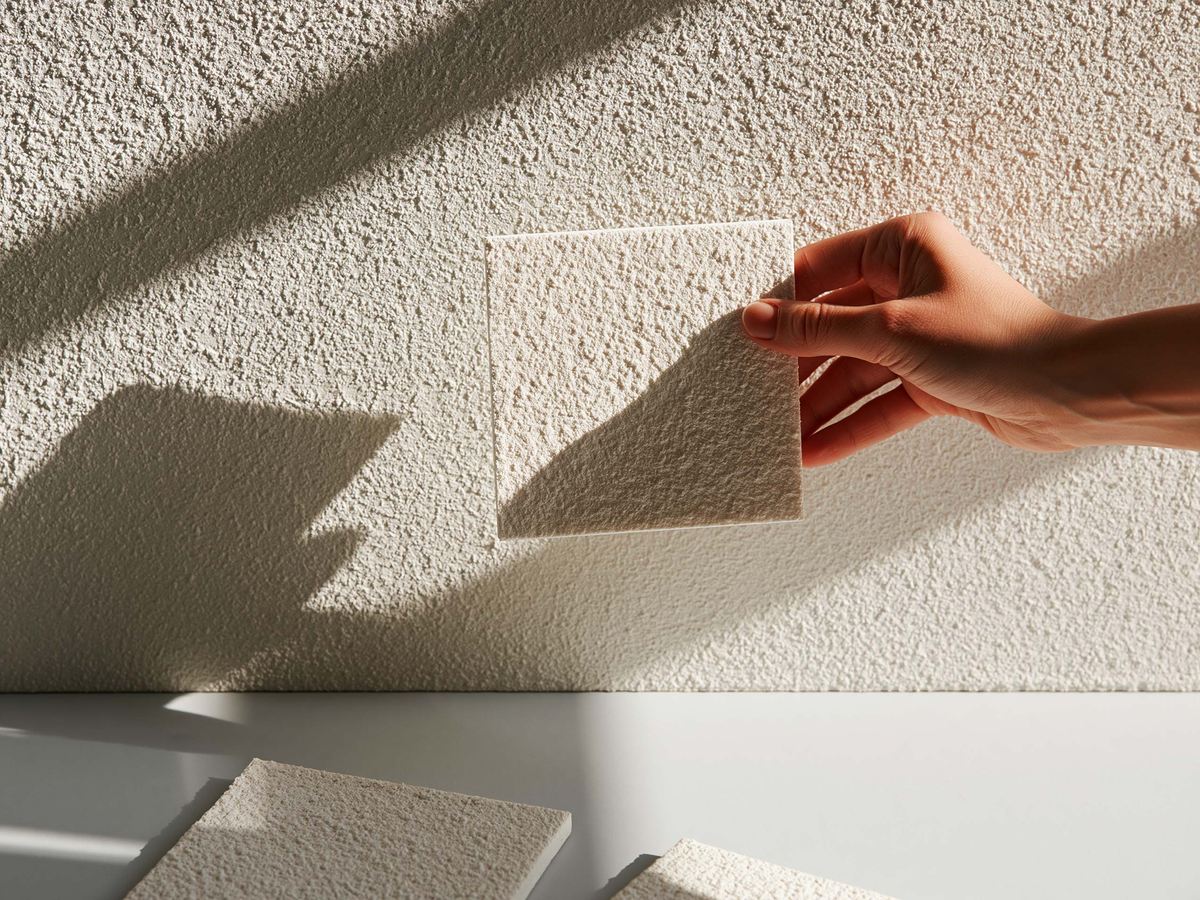
A hand holding a sample board against a textured wall to compare the two finishes

Your house may not have one finish in it

Nine times out of ten a room got added somewhere along the line, or a wall came down and went back up, and whoever did it worked in whatever was normal that year. Sacramento has all of it, sometimes in the same hallway. Orange peel in the bedrooms, knockdown in the family room, and something hand-troweled in the part that got redone in 2004.

The question is never what finish your house has. It's what this wall has, in this light, after this many coats. We answer that standing in the room.

Era-correct texture is a real thing and it's worth asking about

Finishes go in and out of fashion like everything else. A house from the sixties, one from the eighties and one from last year each got what was standard that year. Put today's finish on a repair in your 1962 house and you get something nobody can name and everybody notices.

What Decides Your Price

This is the one part of the trade where the size of the area barely matters. A small repair in a bad light costs more to get right than a large one in a good light.

What you're paying for is samples, drying time and a second trip. Anybody who gets it right first time on an unusual finish got lucky, and we build the second trip in instead of gambling your wall on it.

How It Is Actually Done

There's no chart that gets you there. Anybody who can name your finish off a photo and mix it on the truck is describing a different job than yours.

A sample, dried properly, held against your wall

We spray or work a sample, let it dry all the way, and hold it up against your actual wall in your actual light. Then we adjust it and do it again.

What one sample run involves

  • The mix written down, so the same consistency can be made again
  • A test board worked with the same tool, at the same setting, as your wall
  • Drying all the way through, since a wet sample reads darker and flatter than it will
  • Held against your wall in the light that room gets, never under a work lamp
  • One adjustment at a time, so we know which change did what
  • A second run, and a third on an unusual finish, before anything touches the repair

The tool is part of the answer

A hopper gun throws a different pattern at different pressures and with different tip sizes, and the same material worked with a trowel gives something else entirely. Skip trowel and hand texture can't be sprayed on, and a sprayed finish can't be faked by hand. Getting your wall right means picking the tool that put the original up.

When it works, you walk into the room and your eye goes past it. That's the whole standard for an invisible repair, and it's the only one worth being judged on.

Why does my repair still show after it was painted?

Almost always because the finish underneath is slightly different from the wall around it, and paint doesn't hide relief. It can even make your repair worse, since a fresh coat sits differently on new work than on a surface painted four times already. The fix is the finish, not another coat.

Can you match any texture?

In practice, yes, though some take more samples than others. Orange peel and knockdown are the most common around here and the most forgiving. Hand-worked finishes take longer, because the pattern belongs to whoever put it on your wall, and we're copying a person rather than a setting on a gun.

Do you have to redo the whole wall?

Rarely. Most of the time we work the repaired area and feather it out into what is already there, and the transition is what takes the skill. If your wall has been reworked so many times that it no longer has one consistent finish, we'll say so, and the call becomes yours.

Why does it look right when you leave and wrong the next week?

The light moved. A finish judged under a work lamp at eleven in the morning can read completely differently at four in the afternoon in October. We look at it in the light your room actually gets, and if the worst of that is in the evening, that's when we come back.

Can I do this myself with a can from the hardware store?

You can, and in a forgiving light on a small area it sometimes works. What the cans don't solve is pressure, tip size and drying time, and those three decide whether a finish sits into your wall or stands proud of it. Practice on a scrap board, never on the wall.

Does the paint sheen matter?

More than people expect. Flat paint forgives a great deal and anything with shine reports every imperfection. If you're choosing paint for that room anyway, tell us, because it changes how close the finish has to be.

Drywall Patching

Closing the damage itself, which is the half of the job that happens first.

Read more →

Drywall Repair

Larger work, and finding out why the wall opened up in the first place.

Read more →

Popcorn Ceiling Removal

Taking an old finish off overhead, and deciding what replaces it.

Read more →

Plaster and Lath Repair

Older surfaces, where matching is a different problem with different rules.

Read more →

Antelope

Mixed vintages street to street, which is exactly where this comes up.

Read more →

Rocklin

Newer Placer County builds with sprayed finishes throughout.

Read more →
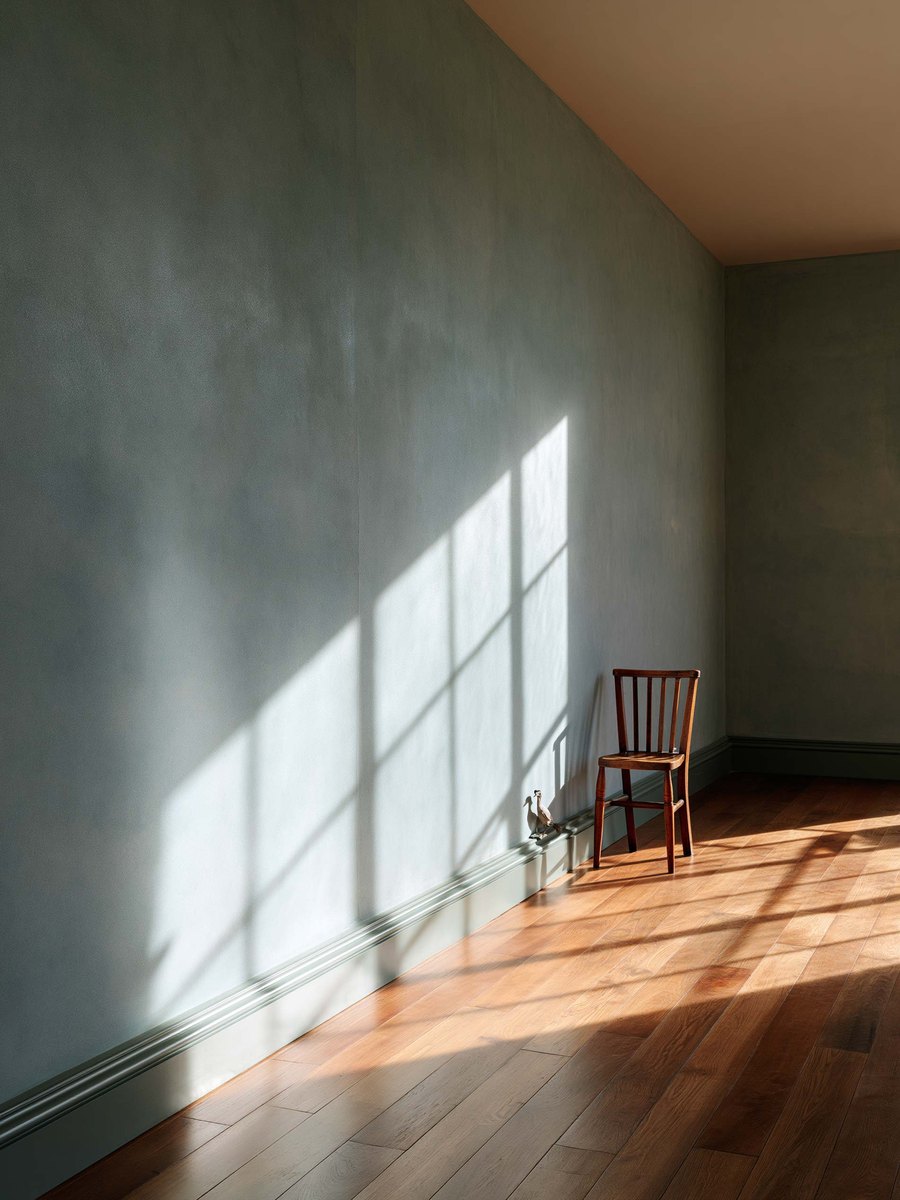
An empty room with a wooden chair, window light raking across a smooth finished wall

Get Your FREE Estimate

Texture never photographs well, so let us come and see yours. A look costs you nothing.

A wall your eye goes past instead of straight to.

Call Us Now! 916-584-9660